
How to Choose the Best Bilingual Daycare in the Bay Area: A Director's 8-Point Checklist
Choosing a daycare is one of the biggest decisions you will make as a parent. When you add bilingual education into the mix, the decision becomes even more layered. You want a place where your child feels safe, loved, and excited to learn — and where they can develop real language skills in both English and Mandarin.
I am Jessie, and I have spent more than ten years leading a bilingual daycare center in the Bay Area. In that time I have toured hundreds of families through our classrooms, answered thousands of questions, and watched children grow from shy toddlers into confident, bilingual kindergarteners. Below is the eight-point checklist I always share with parents who are searching for the best daycare for their family.
1. Verify Licensing and Safety Standards
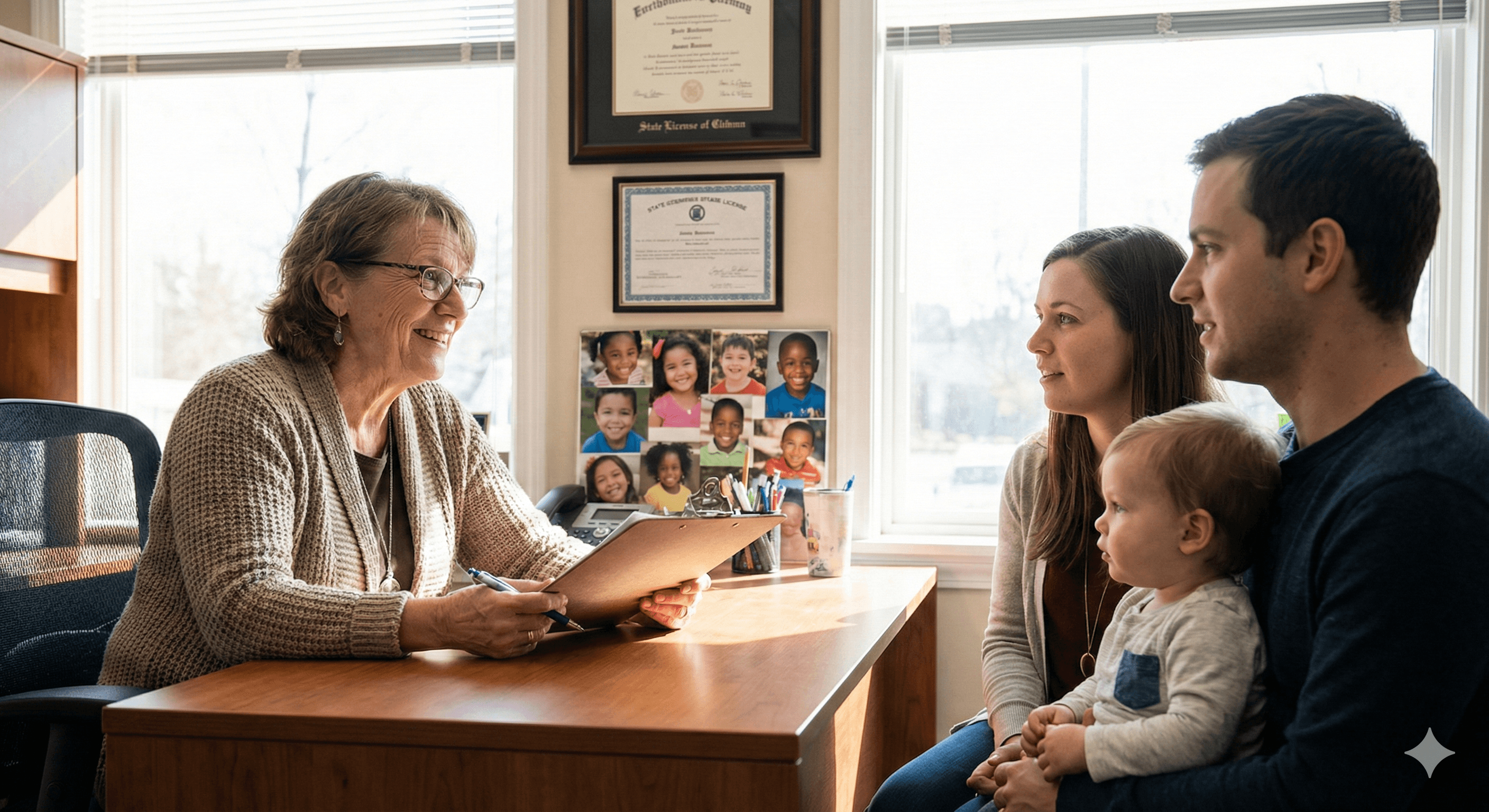
This is non-negotiable. Every reputable daycare center must hold a current license from the state of California. A valid license means the facility has passed health and safety inspections, maintains proper insurance, and follows mandated adult-to-child ratios. Ask to see the license posted on the wall, and check the provider's record on the California Community Care Licensing website. If a center hesitates to share this information, keep looking.
2. Understand the Bilingual Teaching Method
Not every bilingual program is the same. Some centers offer full immersion, where teachers speak the target language throughout the day. Others use a dual-language approach, alternating between English and Mandarin at set times. A few centers only sprinkle in vocabulary words during a brief "language lesson." Ask the director to explain exactly how both languages are woven into the daily schedule. The best bilingual daycare programs integrate language naturally — during circle time, meals, outdoor play, and story time — rather than treating it as a separate subject.
3. Check Teacher-to-Child Ratios
Small ratios matter enormously, especially for infants and toddlers. California requires a minimum ratio of 1:4 for infants and 1:12 for preschoolers, but the best daycare centers often exceed these requirements. A lower ratio means each child gets more individual attention, more language interaction, and more opportunities to be heard. When you visit, count the number of adults in the room and the number of children. The numbers should match what the director tells you.
4. Evaluate Teacher Qualifications and Language Fluency
A bilingual daycare center is only as strong as its teaching team. Ask whether the Mandarin-speaking teachers are native speakers or second-language learners. Find out what early childhood education credentials they hold. Look for teachers who are not only fluent but also warm, patient, and genuinely excited to work with young children. During your visit, listen to how teachers interact with the children. Are they using rich, natural sentences in both languages, or just repeating a few memorized phrases?
5. Look at the Curriculum
A strong curriculum balances structured learning with free play. Look for programs that incorporate STEAM activities — science experiments, building projects, art, music, and math games — delivered in both English and Mandarin. Play-based learning is especially important for children under five because it builds creativity, problem-solving skills, and social confidence. Ask to see a sample weekly plan so you can understand how the day flows and how both languages are used across different activities.
6. Visit and Observe a Class in Action
No amount of online research can replace an in-person visit. Schedule a tour during regular class hours so you can see the program in action. Watch how the children engage with teachers and with each other. Notice whether the classroom is clean, organized, and stocked with age-appropriate materials. Pay attention to the overall atmosphere: do the children look happy and engaged, or restless and unsupervised? Trust your instincts. If the environment feels right, it probably is.
7. Ask About Meals and Nutrition
Young children eat several times a day at daycare, so nutrition matters. Ask whether the center provides meals and snacks or if you need to pack your own. Find out if the menu is balanced, whether organic ingredients are used, and how allergies and dietary restrictions are handled. Mealtimes are also a wonderful opportunity for language learning — talking about colors, textures, and flavors in both English and Mandarin turns every lunch into a mini lesson.
8. Consider Location and Commute
A daycare center can be phenomenal on paper, but if it adds forty minutes to your daily commute, the stress can outweigh the benefits. Look for a bilingual daycare center that is convenient to your home or workplace. In the Bay Area, many families in San Jose, Sunnyvale, Cupertino, and Mountain View find that a centrally located center makes drop-off and pick-up much smoother, especially during Silicon Valley rush hours.
Questions to Ask During Your Tour
Beyond the eight points above, here are a few additional questions worth asking when you tour a daycare:
- What is your approach when a child resists speaking the second language? A good program will have strategies for gently encouraging bilingual development without pressuring the child.
- How do you communicate with parents about daily progress? Look for centers that send regular updates, photos, or daily reports.
- What is your policy on screen time? The best programs for young children minimize or eliminate screens in favor of hands-on learning.
- How do you handle transitions to kindergarten? A quality program prepares children academically, socially, and linguistically for the next step.
How Sunny Child Care Meets These Standards
At Sunny Child Care, we have spent over thirty years building a program that checks every box on this list. We are a fully licensed bilingual daycare center in the Bay Area, maintaining a low 1:6 teacher-to-child ratio so every child receives the attention they deserve. Our teaching team is made up of native Mandarin speakers with formal early childhood education training. Our STEAM-based curriculum is delivered in both English and Mandarin through play, projects, and daily conversation. We serve freshly prepared organic meals on-site, and our location in San Jose makes us an easy commute for families across Sunnyvale, Cupertino, and Mountain View.
If you are looking for the best daycare experience for your child, we would love to welcome your family for a tour. Visit our tuition and enrollment page to learn more and schedule a visit.
More to Read
2025 Guide to Easter Egg Hunts & Spring Events in North San Jose | 聖荷西當地復活節尋蛋活動指南
From Berryessa Community Center to Emma Prusch Farm, discover the best toddler-friendly spring events and Easter egg hunts in North San Jose for 2025. | 從 Berryessa 社區中心到 Emma Prusch 農場,探索 2025 年北聖荷西最適合幼兒的春季活動和復活節尋蛋趣處。
Picnic Perfect: Best Toddler-Friendly Parks in North San Jose for Spring
Sun's out! Director Jessie lists the top 3 parks in 95131/95132 with clean grass, shade, and toddler-safe playgrounds. Plus, easy picnic finger foods to pack.
Egg-cellent Fun: 3 Easy Easter Crafts for San Jose Toddlers
Easter is coming to San Jose! Director Jessie shares 3 simple, low-prep crafts using supplies from the Berryessa Dollar Tree. Perfect for busy parents and active toddlers.