
The 5 PM Meltdown: Why Your Toddler Falls Apart After School

It’s a story I hear from San Jose parents every single week. You pick your child up from Sunny Child Care. The teacher says, "He had a great day! He shared his toys, he ate all his lunch, he was so polite." You beam with pride. Then you get to the car. You ask, "How was your day?" And suddenly... screaming. Crying. Throwing shoes. You think: What did I do wrong? Why are they so awful to me when they were an angel for the teacher?
First, take a deep breath. You didn't do anything wrong. This phenomenon has a name: After-School Restraint Collapse.
Think about your own day. When you are at work, you have to be professional. You smile at your boss, you hold your tongue in meetings, you navigate social rules. By the time you get home, you are exhausted. You just want to put on sweatpants and not talk to anyone. Your toddler is doing the same thing. They have spent 8 hours regulating their emotions, following rules, and navigating social interactions. Their "self-control tank" is empty. When they see you, they feel safe. They know you will love them even if they are messy. So, they let it all go.
Here are three ways to help them decompress without the drama.
1. The "Silent" Greeting
We are often so eager to hear about their day that we bombard them with questions: "What did you do? Who did you play with? Did you eat your apple?" This is information overload for a tired brain. Try this: Greet them with a smile and a hug, and then... just be quiet. Put on some calming music in the car. Let them stare out the window. Let them initiate the conversation when they are ready. Give them space to transition.
2. Feed the Beast (Immediately)
"Hangry" is real. Their blood sugar is likely low after a long afternoon of play. The Strategy: Have a snack ready in the car. Not in the bag, not at home—in your hand. A cheese stick, a pouch, or some crackers. Hand it to them before you even buckle the seatbelt. Chewing is naturally calming and getting calories in them fast can prevent 90% of meltdowns.
3. Sensory Decompression
When you get home, don't rush into "homework" or chores. Offer a sensory activity that requires zero talking.
- Water play: A warm bath or just playing in the sink.
- Heavy work: Pushing a laundry basket or jumping on a trampoline.
- Cozy corner: A pile of pillows and a book. Let their nervous system reset before you ask them to do anything else.
It's a Compliment (Really)
I know it doesn't feel like it when they are screaming, but the fact that they fall apart with you is actually a sign of a secure attachment. They trust you enough to show you their messy, exhausted self. So, hand them a cracker, give them a hug, and ride out the storm together.
More to Read

2025 Guide to Easter Egg Hunts & Spring Events in North San Jose | 聖荷西當地復活節尋蛋活動指南
From Berryessa Community Center to Emma Prusch Farm, discover the best toddler-friendly spring events and Easter egg hunts in North San Jose for 2025. | 從 Berryessa 社區中心到 Emma Prusch 農場,探索 2025 年北聖荷西最適合幼兒的春季活動和復活節尋蛋趣處。
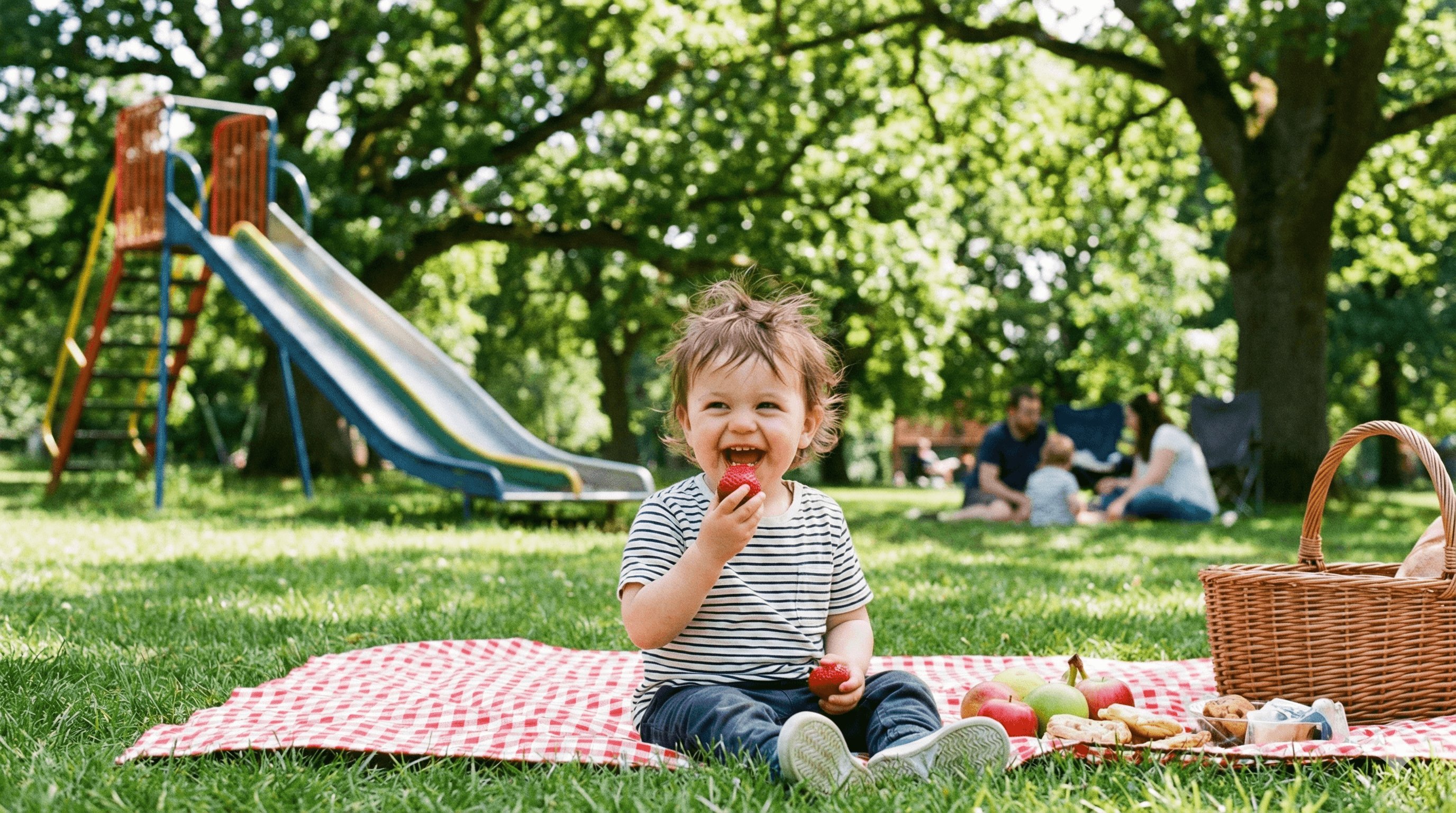
Picnic Perfect: Best Toddler-Friendly Parks in North San Jose for Spring
Sun's out! Director Jessie lists the top 3 parks in 95131/95132 with clean grass, shade, and toddler-safe playgrounds. Plus, easy picnic finger foods to pack.

Egg-cellent Fun: 3 Easy Easter Crafts for San Jose Toddlers
Easter is coming to San Jose! Director Jessie shares 3 simple, low-prep crafts using supplies from the Berryessa Dollar Tree. Perfect for busy parents and active toddlers.