
Put Down the Flashcards: How Toddlers Actually Learn Math and Reading
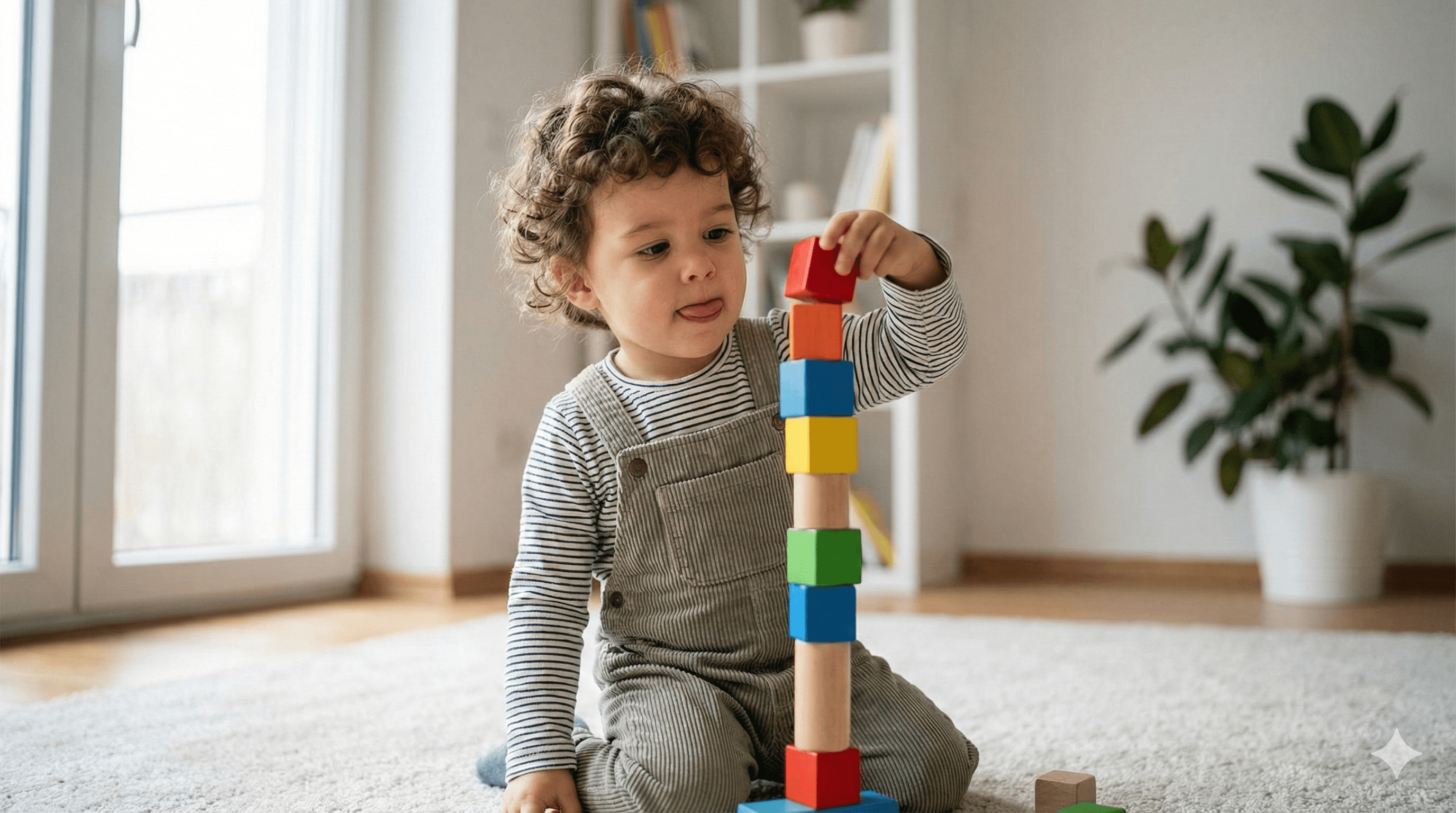
Living in San Jose, the heart of Silicon Valley, the pressure to raise a genius starts early. I’ve had parents ask me if their 2-year-old should be learning coding or if they need flashcards to memorize the periodic table.
I get it. We want the best for our kids. But here is the truth backed by neuroscience: Flashcards teach memorization. Play teaches understanding.
A toddler who can memorize "2 + 2 = 4" from a card is performing a trick. A toddler who holds two blocks in one hand and two in the other, and realizes they have four blocks, is learning math.
At Sunny Child Care, we are proudly Play-Based. Here is why that is actually more academic than drilling with cards.
1. Math is Everywhere (Not Just on Paper)
Real math is about spatial awareness, volume, and patterns.
- The Flashcard Way: Memorizing the shape of the number "5".
- The Play Way: Building a tower. "If I put this big block on top of the small block, it falls." (Physics!). "I have one red car, two blue cars." (Sorting and Counting).
- The Result: Deep conceptual understanding, not just surface-level recall.
2. Literacy Starts with Conversation
You cannot flashcard your way to a good writer.
- The Flashcard Way: Memorizing the word "APPLE".
- The Play Way: Pretending to cook in the play kitchen. "I am cutting the apple. It is crunchy. Do you want a slice?"
- The Result: Vocabulary, narrative structure, and social usage. This is the foundation of reading comprehension.
3. Building the "CEO of the Brain"
The most important skill for future success isn't knowing the ABCs by age 2. It is Executive Function—the ability to focus, plan, and control impulses.
- How Play Builds It: When a child plays "Doctor," they have to stay in character, remember the rules ("I have to use the stethoscope"), and negotiate with the "patient."
- Why it matters: Research shows that executive function is a better predictor of academic success than IQ.
So, What Should You Do at Home?
- Ditch the drills. Put the flashcards away.
- Narrate your day. "I am pouring the milk. The cup is half full."
- Follow their lead. If they are interested in bugs, go look for bugs. Count the legs. Talk about the colors.
Your child is not a computer to be programmed. They are a scientist exploring the world. Let them experiment!
More to Read

2025 Guide to Easter Egg Hunts & Spring Events in North San Jose | 聖荷西當地復活節尋蛋活動指南
From Berryessa Community Center to Emma Prusch Farm, discover the best toddler-friendly spring events and Easter egg hunts in North San Jose for 2025. | 從 Berryessa 社區中心到 Emma Prusch 農場,探索 2025 年北聖荷西最適合幼兒的春季活動和復活節尋蛋趣處。
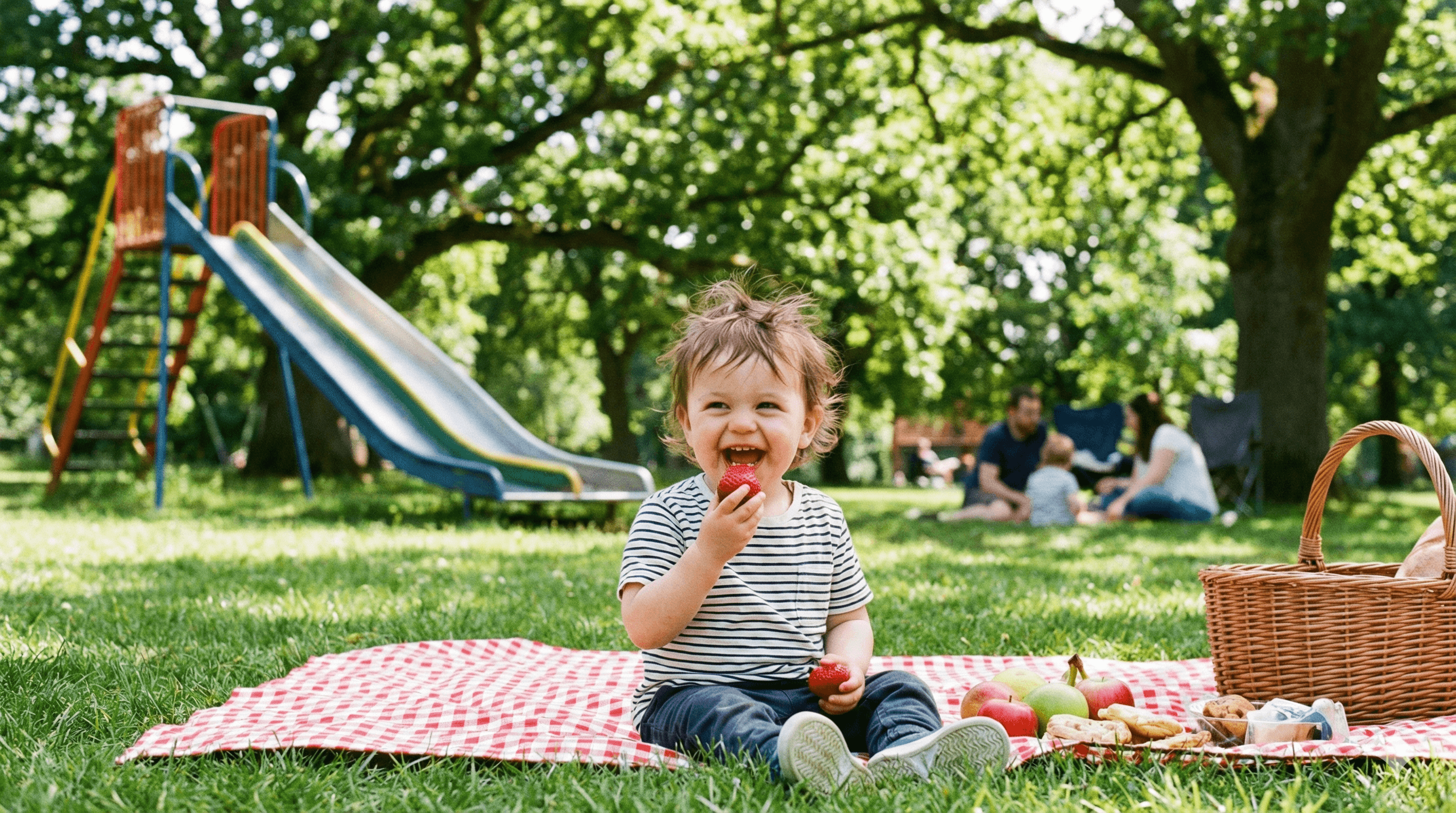
Picnic Perfect: Best Toddler-Friendly Parks in North San Jose for Spring
Sun's out! Director Jessie lists the top 3 parks in 95131/95132 with clean grass, shade, and toddler-safe playgrounds. Plus, easy picnic finger foods to pack.
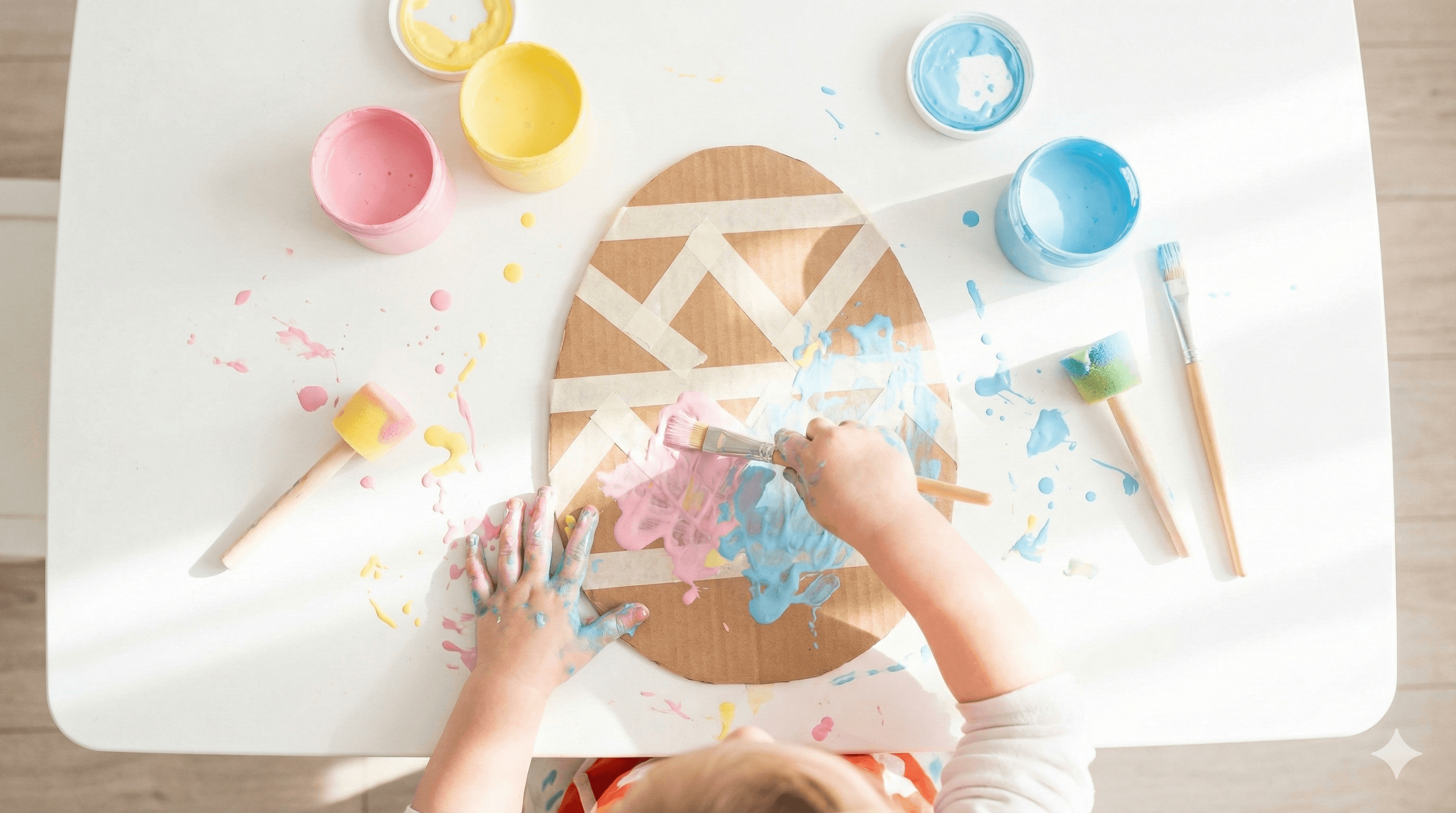
Egg-cellent Fun: 3 Easy Easter Crafts for San Jose Toddlers
Easter is coming to San Jose! Director Jessie shares 3 simple, low-prep crafts using supplies from the Berryessa Dollar Tree. Perfect for busy parents and active toddlers.