
How Bilingual Education Shapes Young Brains
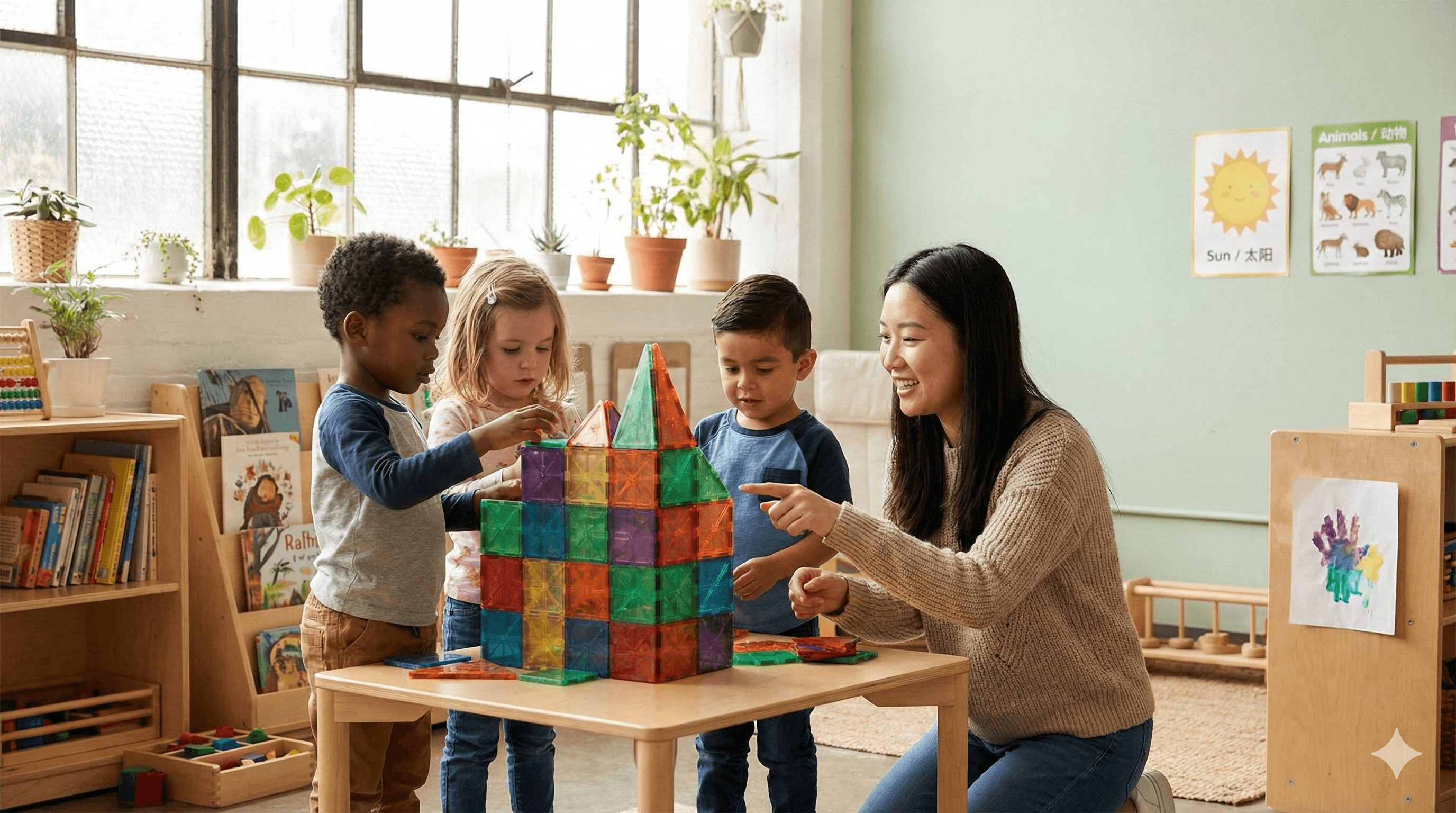
A Chat Over Coffee
I can’t tell you how many times I’ve sat across from parents in my office here in San Jose, seeing that look of hesitation in their eyes. They hold their coffee cup a little too tight and ask, "But won't learning Mandarin and English at the same time confuse him? He's barely speaking yet!"
I smile, because I’ve been in this field for over 10 years, and I’ve seen thousands of children pass through our bilingual preschool doors. The short answer? No, it won't confuse them. In fact, it’s quite the opposite.
Think of the brain like a muscle. When a child has to switch between "Apple" and "蘋果" (Píngguǒ), their brain is doing a heavy workout. It’s building what we call cognitive flexibility. It’s not just about words; it’s about training the brain to focus, switch tasks, and solve problems.
Here is the secret: You don't need to be a linguist to help them. Here are three simple ways we do it at Sunny, and how you can do it at home.
1. Ditch the Flashcards, Turn on the Music
Please, put away the flashcards. Toddlers don't learn from drilling; they learn from feeling. In our San Jose daycare classrooms, we don't lecture. We sing.
Music is a magical bridge for language. The rhythm and melody help children segment sounds and remember words without even trying.
Try this: Play Mandarin nursery rhymes in the car. Don't worry if you don't understand every word. Your child is absorbing the sounds and tones, which is the foundation of a good accent later on.
2. Context is King (The "Sandwich" Method)
You might have heard of "One Parent, One Language," but that can be stressful for busy families in the Bay Area. Instead, focus on context.
If you are reading a book in English, stick to English. If you are visiting Grandma who speaks Mandarin, encourage Mandarin.
Try this: When introducing a new word, use the "Sandwich" method if they look confused. Say it in Mandarin, then English, then Mandarin again. "這是你的水 (Water). 喝水." It connects the dots without pressure.
3. Make it Emotional, Not Academic
Language is ultimately about connection. If a child loves their teacher, they will want to understand what the teacher is saying. That’s why our teachers at Sunny focus on building relationships first.
Try this: Don't correct their grammar constantly. If they say a "Chinglish" sentence, just smile and repeat it back correctly. Keep the conversation flowing. The goal is confidence, not perfection.
Come See the Magic in Action
I know navigating the world of early education in San Jose can be overwhelming. But giving your child the gift of two languages is one of the best investments you can make.
If you want to see how our little ones switch effortlessly between languages (and have a blast doing it), come visit us. We’d love to show you around our campus and chat more about your child’s future.
More to Read

2025 Guide to Easter Egg Hunts & Spring Events in North San Jose | 聖荷西當地復活節尋蛋活動指南
From Berryessa Community Center to Emma Prusch Farm, discover the best toddler-friendly spring events and Easter egg hunts in North San Jose for 2025. | 從 Berryessa 社區中心到 Emma Prusch 農場,探索 2025 年北聖荷西最適合幼兒的春季活動和復活節尋蛋趣處。
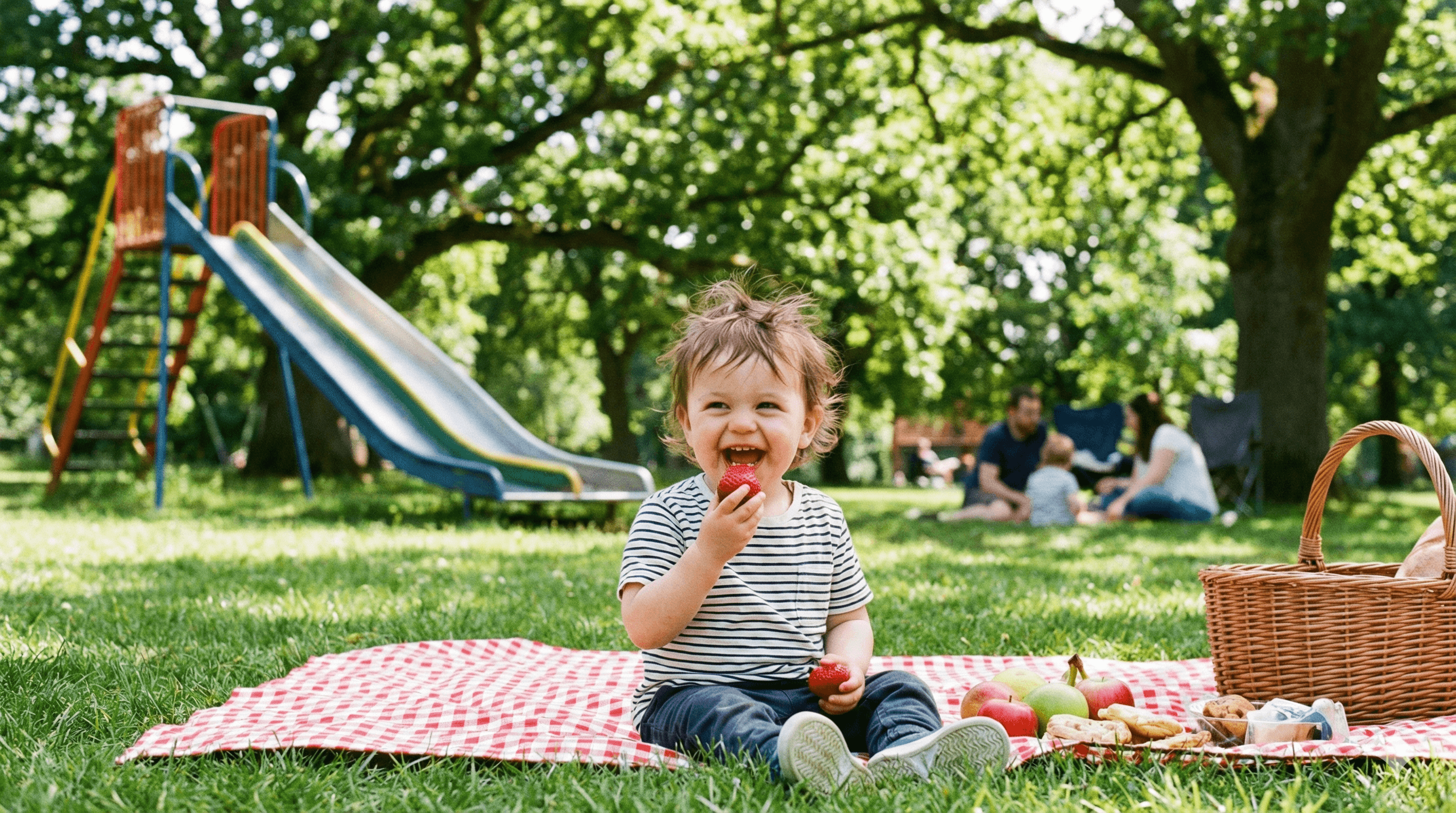
Picnic Perfect: Best Toddler-Friendly Parks in North San Jose for Spring
Sun's out! Director Jessie lists the top 3 parks in 95131/95132 with clean grass, shade, and toddler-safe playgrounds. Plus, easy picnic finger foods to pack.
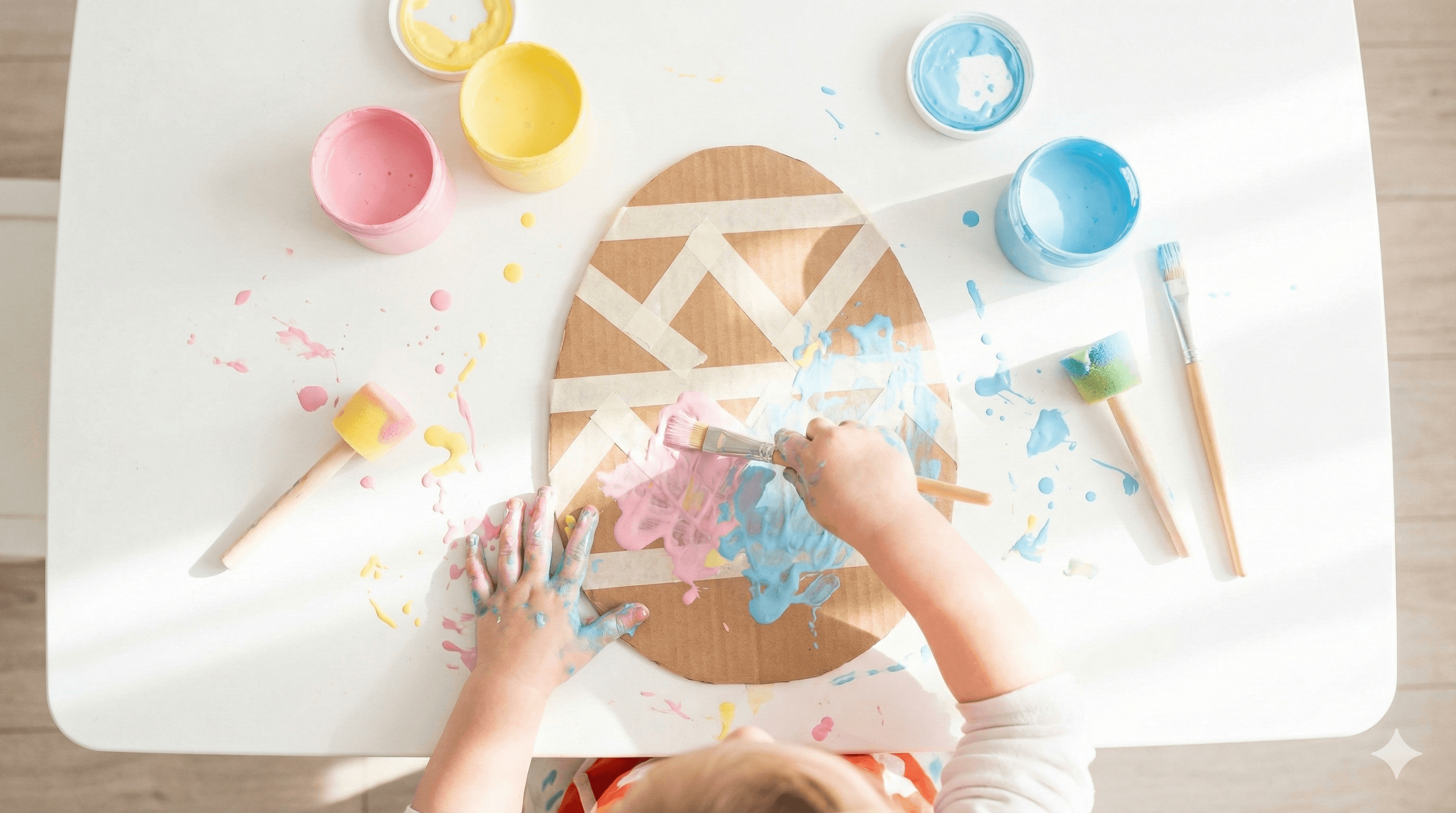
Egg-cellent Fun: 3 Easy Easter Crafts for San Jose Toddlers
Easter is coming to San Jose! Director Jessie shares 3 simple, low-prep crafts using supplies from the Berryessa Dollar Tree. Perfect for busy parents and active toddlers.