
They Won't Play Together! Understanding the 'Parallel Play' Phase
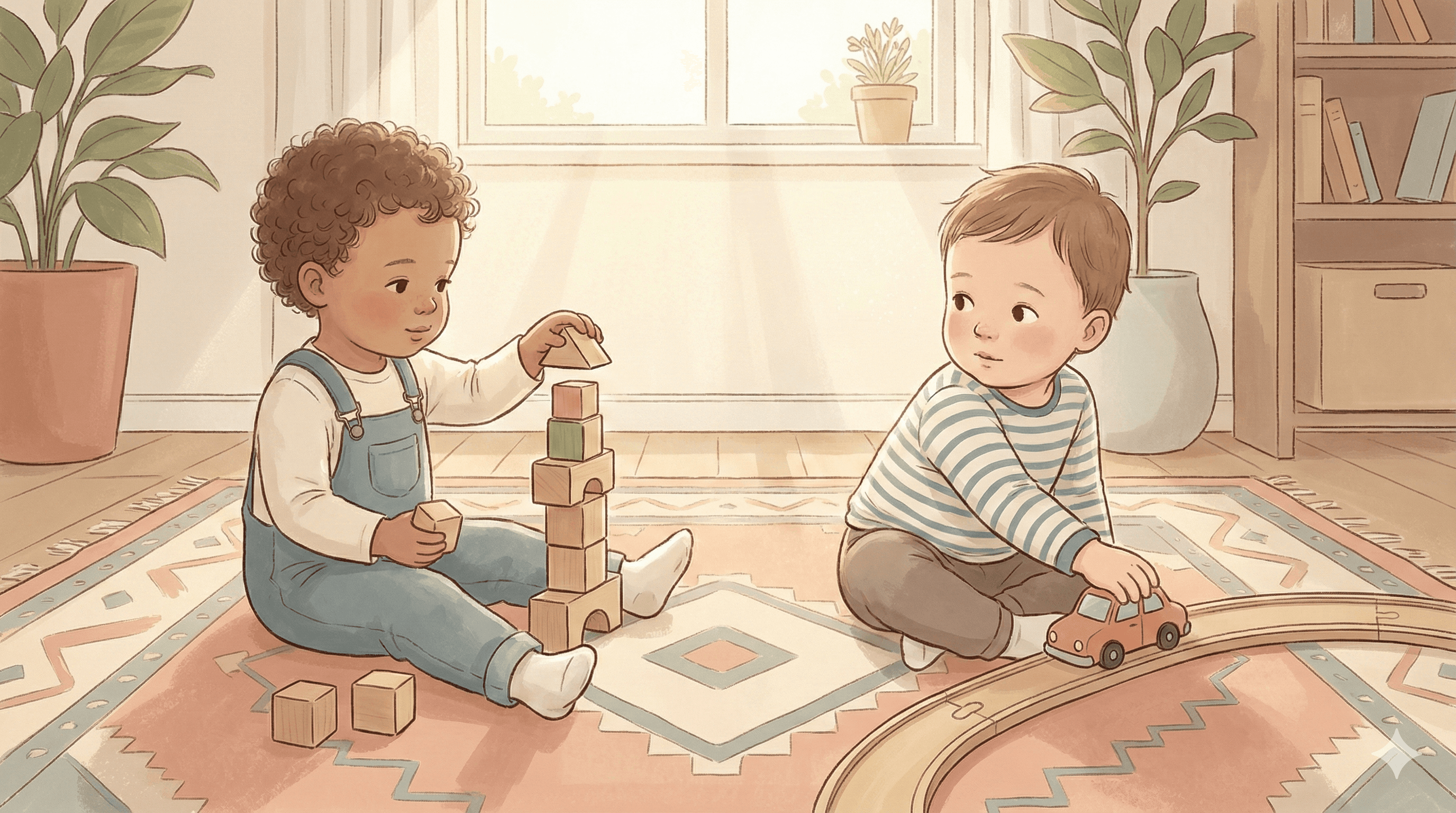
You arrange a playdate at Emma Prusch Farm Park. You invite your friend and her toddler, who is the exact same age as yours. You imagine them holding hands, laughing, and building a sandcastle together.
The reality? Your child sits in one corner digging a hole. Her child sits three feet away spinning a wheel. They don't talk. They don't look at each other. They act like the other person doesn't exist.
Parents often panic. "Is my child anti-social?" "Do they lack social skills?"
At Sunny Child Care, we call this Parallel Play. And it is 100% normal, healthy, and necessary.
What is Parallel Play?
Between the ages of 1.5 and 3, children move from "Solitary Play" (playing alone) to "Parallel Play."
- The Definition: Playing beside other children, but not with them.
- The Analogy: Think of it like working in a coffee shop. You are working on your laptop. The person next to you is working on theirs. You aren't talking, but you are aware of each other. You are sharing the energy of the space.
Why It Matters
Even though they aren't interacting, they are working hard.
- Observation: They are watching out of the corner of their eye. "Oh, he is putting the sand in the bucket. Maybe I should try that."
- Safety: Interacting is high-pressure. Parallel play allows them to be social without the stress of negotiation or eye contact.
- Mimicry: This is how they learn new skills. If one child starts running, the other might start running too. They are "mirroring."
How to Support It
- Don't Force Interaction: Avoid saying, "Go play with your friend!" or "Talk to him!" This creates anxiety. Let them be.
- Provide Duplicate Toys: Since they aren't ready to share yet, having two trucks or two buckets prevents conflict.
- Narrate the Connection: You can bridge the gap verbally. "Look, Johnny is digging a hole. You are digging a hole too! You are both diggers."
When Does "Real" Play Start?
Associative Play (sharing materials but no common goal) starts around age 3. Cooperative Play (working together to build a castle) usually doesn't fully emerge until age 4.
So if your toddlers are ignoring each other, don't worry. They are enjoying each other's company in their own quiet way. Grab a coffee with your friend and enjoy the peace while it lasts!
More to Read

2025 Guide to Easter Egg Hunts & Spring Events in North San Jose | 聖荷西當地復活節尋蛋活動指南
From Berryessa Community Center to Emma Prusch Farm, discover the best toddler-friendly spring events and Easter egg hunts in North San Jose for 2025. | 從 Berryessa 社區中心到 Emma Prusch 農場,探索 2025 年北聖荷西最適合幼兒的春季活動和復活節尋蛋趣處。
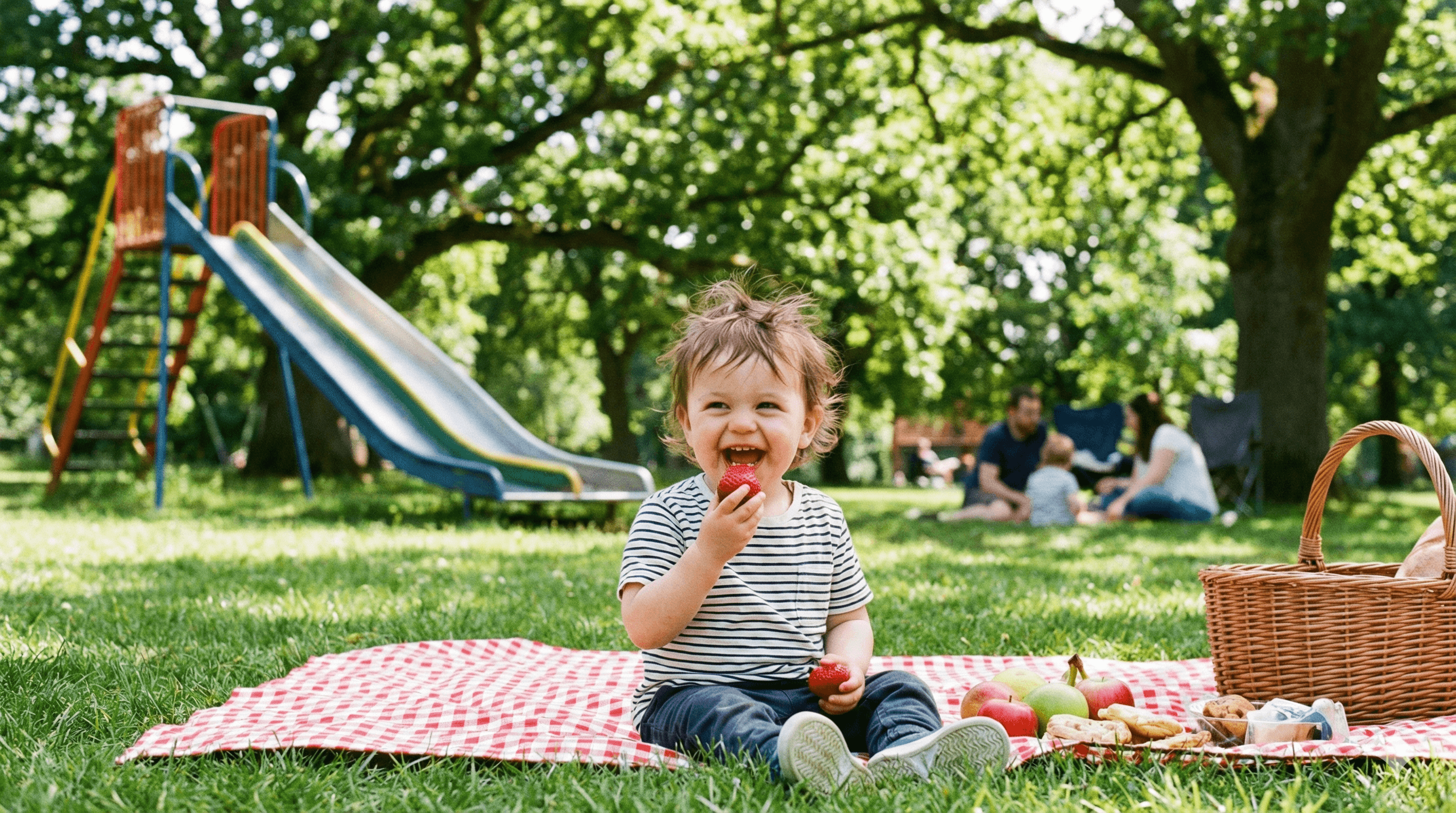
Picnic Perfect: Best Toddler-Friendly Parks in North San Jose for Spring
Sun's out! Director Jessie lists the top 3 parks in 95131/95132 with clean grass, shade, and toddler-safe playgrounds. Plus, easy picnic finger foods to pack.

Egg-cellent Fun: 3 Easy Easter Crafts for San Jose Toddlers
Easter is coming to San Jose! Director Jessie shares 3 simple, low-prep crafts using supplies from the Berryessa Dollar Tree. Perfect for busy parents and active toddlers.