
Did You Eat the Cookie? Why Toddlers Lie (and It's Actually a Good Sign)
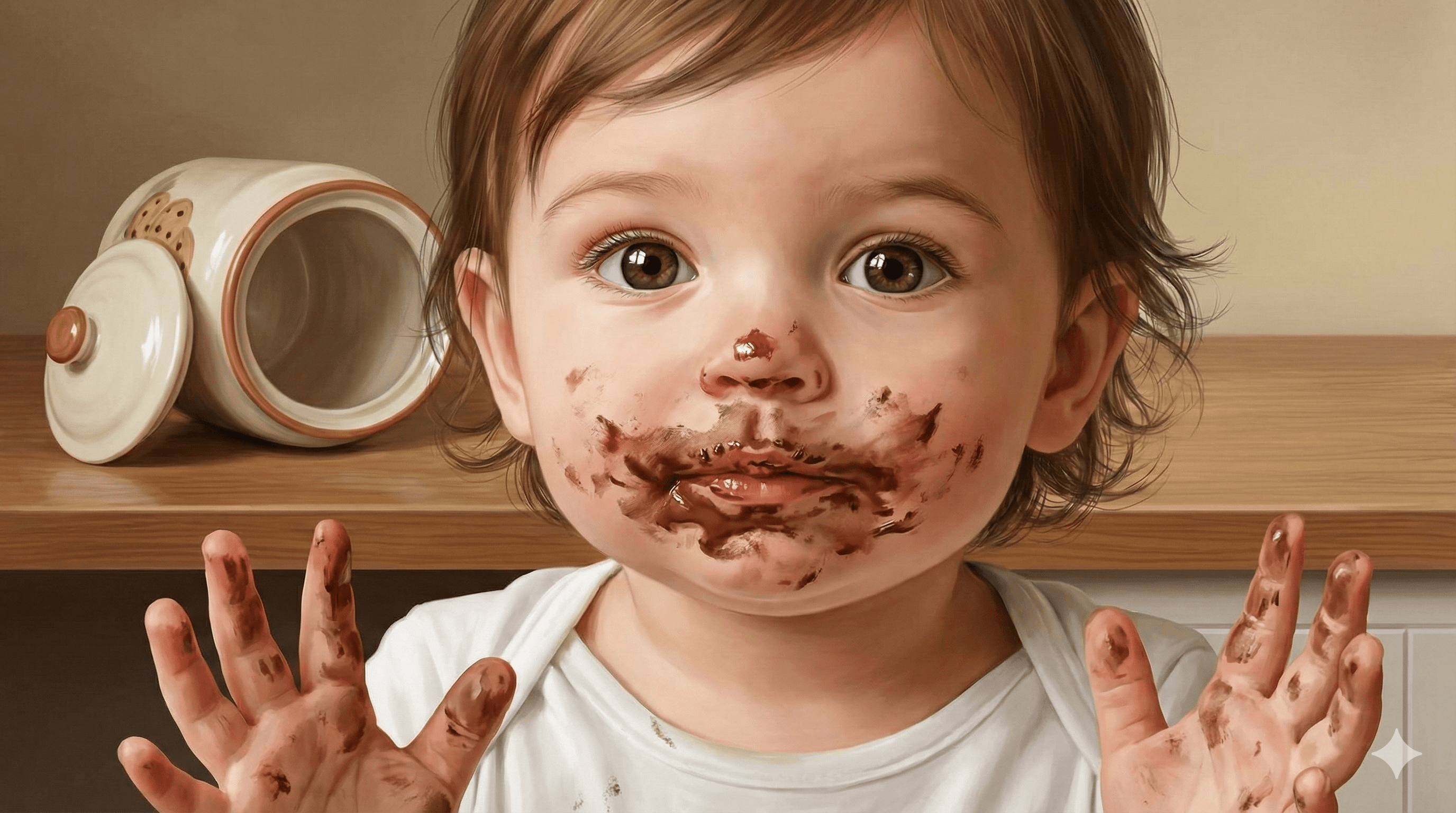
You walk into the kitchen. The cookie jar is open. Your toddler has chocolate smeared all over their face. You ask, "Did you eat a cookie?" They look you dead in the eye and say, "No."
In San Jose, parents often come to me worried. "Is my child becoming a liar? Are they dishonest?"
Take a deep breath. I have surprising news: Lying is a sign of high intelligence.
At Sunny Child Care, we see the first "fibs" start around age 2 or 3. It means their brain is developing a complex skill called Theory of Mind. Here is why you shouldn't panic, and how to handle it.
1. It Means They Know You Are Separate
To lie, a child must realize that what they know and what you know are different.
- The Thought Process: "I know I ate the cookie. Mommy didn't see me eat the cookie. So maybe I can tell Mommy I didn't eat it, and she will believe it."
- The Milestone: This is a huge cognitive leap! It means they understand that you are a separate person with your own thoughts.
2. It's Often "Wishful Thinking"
Toddlers have a blurry line between reality and fantasy.
- The Logic: They know they shouldn't have eaten the cookie. They wish they hadn't eaten the cookie. So when they say "No," they are essentially saying, "I wish the answer was no."
- The Intent: They aren't trying to deceive you maliciously; they are trying to make the "bad thing" go away.
3. Don't Set a Trap
If you know they did it, don't ask "Did you do it?"
- The Trap: Asking a question when you already know the answer invites them to lie to protect themselves.
- The Better Way: State the facts.
- Instead of: "Did you draw on the wall?"
- Say: "I see there is crayon on the wall. We need to clean it up."
4. Focus on the Solution, Not the Blame
When you remove the fear of punishment, the need to lie decreases.
- The Strategy: Make it safe to tell the truth.
- The Script: "I promise I won't be mad. I just need to know the truth so we can fix it."
- When They Confess: Praise the honesty more than you scold the behavior. "Thank you for telling me the truth. That was very brave. Now let's wash your face."
5. Read Books About Honesty
Stories are a great way to teach values without lecturing.
- Recommendation: The Boy Who Cried Wolf is a classic for a reason. Discuss it: "Why didn't the villagers come? Because he lied before."
So the next time your chocolate-covered toddler says "It wasn't me," try not to laugh (it's hard!). Remember: their brain is growing, and this is just another messy, beautiful step in growing up.
More to Read

2025 Guide to Easter Egg Hunts & Spring Events in North San Jose | 聖荷西當地復活節尋蛋活動指南
From Berryessa Community Center to Emma Prusch Farm, discover the best toddler-friendly spring events and Easter egg hunts in North San Jose for 2025. | 從 Berryessa 社區中心到 Emma Prusch 農場,探索 2025 年北聖荷西最適合幼兒的春季活動和復活節尋蛋趣處。
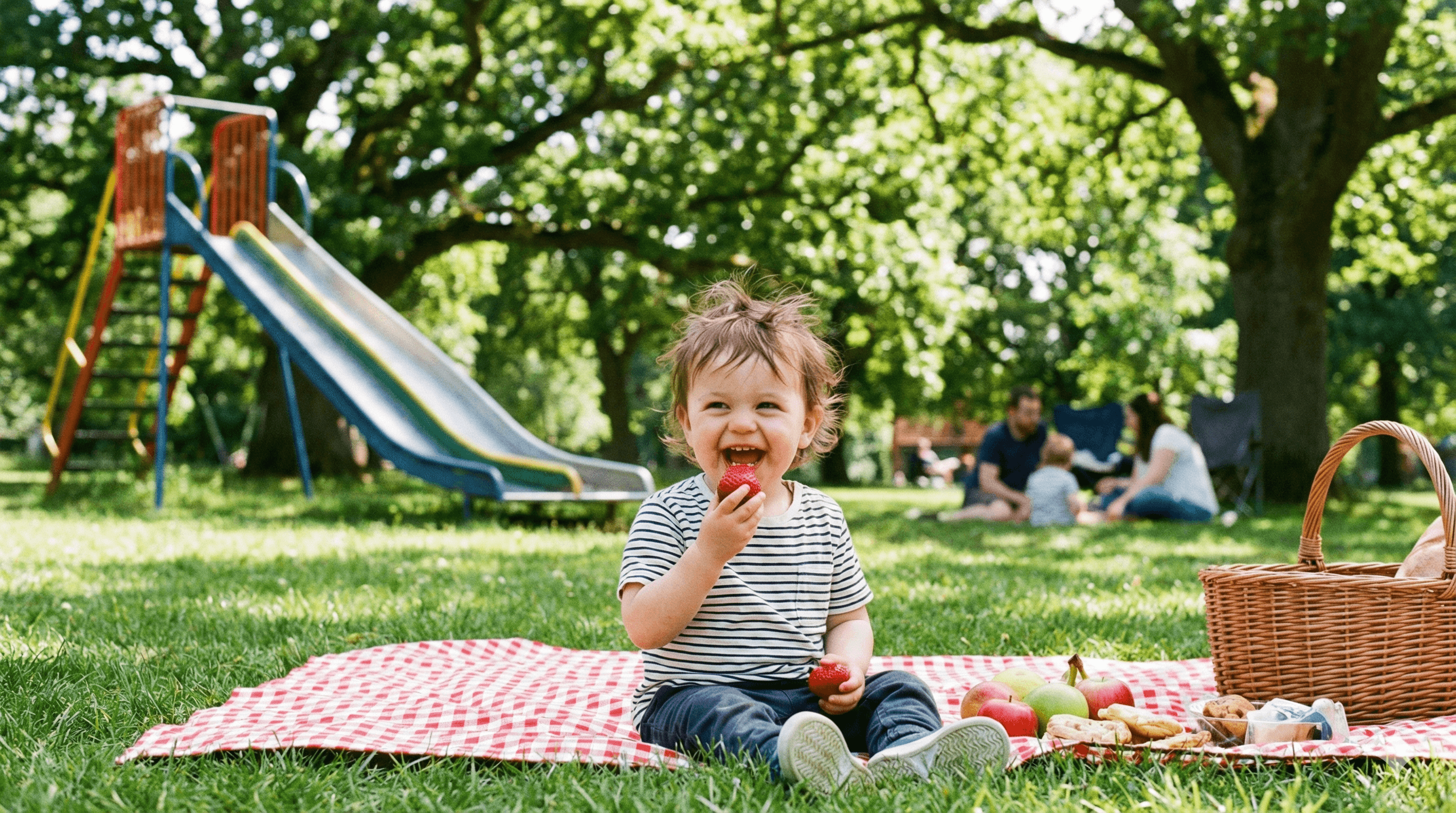
Picnic Perfect: Best Toddler-Friendly Parks in North San Jose for Spring
Sun's out! Director Jessie lists the top 3 parks in 95131/95132 with clean grass, shade, and toddler-safe playgrounds. Plus, easy picnic finger foods to pack.

Egg-cellent Fun: 3 Easy Easter Crafts for San Jose Toddlers
Easter is coming to San Jose! Director Jessie shares 3 simple, low-prep crafts using supplies from the Berryessa Dollar Tree. Perfect for busy parents and active toddlers.